We use necessary cookies to make the site work. With your permission we'd also like to use analytics cookies to see how the site is used. You can change your mind any time under Cookie settings at the bottom of every page. Privacy & Cookies
Necessary
Always on
Keep the site working and secure: your compare list, forms, staff and member sign-in, and remembering this choice. They are always on.
Analytics
Google Analytics and Microsoft Clarity show us, in aggregate, which pages are used and where the site is hard to use, so we can improve it. They set cookies and send usage data to Google and Microsoft.
Marketing
Not used
Advertising and marketing cookies. We don't use any.
AQHA has announced a new provincial affiliate structure for Canada that will take effect January 1, 2027. The change aims to strengthen regional representation, increase funding opportunities for affiliates, and expand participation for Canadian members across AQHA programs.
The NSBA has released its official 2026 Riders List, outlining exhibitor eligibility across Open and Non Pro divisions. Review confirmed class entries and division placements for the 2026 season.
Qualifying for the 2026 NSBA World Championship Show is more than a requirement — it’s a strategic advantage. From participation rules to eligibility updates and cost-saving insights, this guide helps exhibitors plan smarter and compete with confidence in Tulsa.
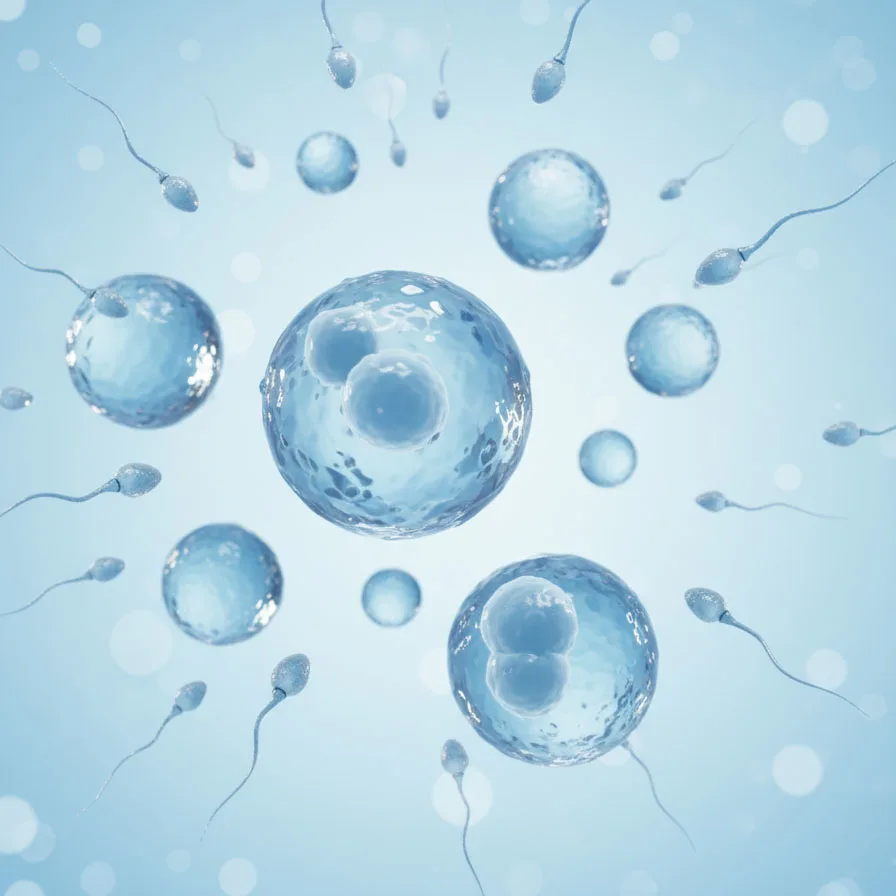
AQHA’s long-debated Two-Year Rule has been officially removed following a membership vote and Board action at the 2026 AQHA Convention in Las Vegas. In this article, we explain what the rule restricted for stored semen and embryos, why it became such a flashpoint within the industry, and what comes next—including implementation timing and AQHA’s next steps around genetic diversity.
AQHA’s leadership transition took an unexpected turn in early March when the association confirmed CEO Karl Stressman was no longer employed—effective March 6, 2026—with incoming CEO Dave Dellin stepping in immediately. With limited public detail beyond a brief Executive Committee statement, the change has left AQHA members asking for clarity on process, timing, and next steps—especially now that a week has passed since the initial announcement.
AQHA has announced that UC Davis’ Veterinary Genetics Laboratory has developed an equine cloning assessment — a major step toward identifying cloned horses and preventing clone offspring from entering the AQHA Regular Registry. In this feature, we explain why clones are uniquely difficult to flag with standard parentage testing, what this new assessment could change for enforcement, and the long history of cloning in AQHA — including the high-profile antitrust lawsuit and appeal that ultimately reaffirmed AQHA’s right to exclude clones from registration.
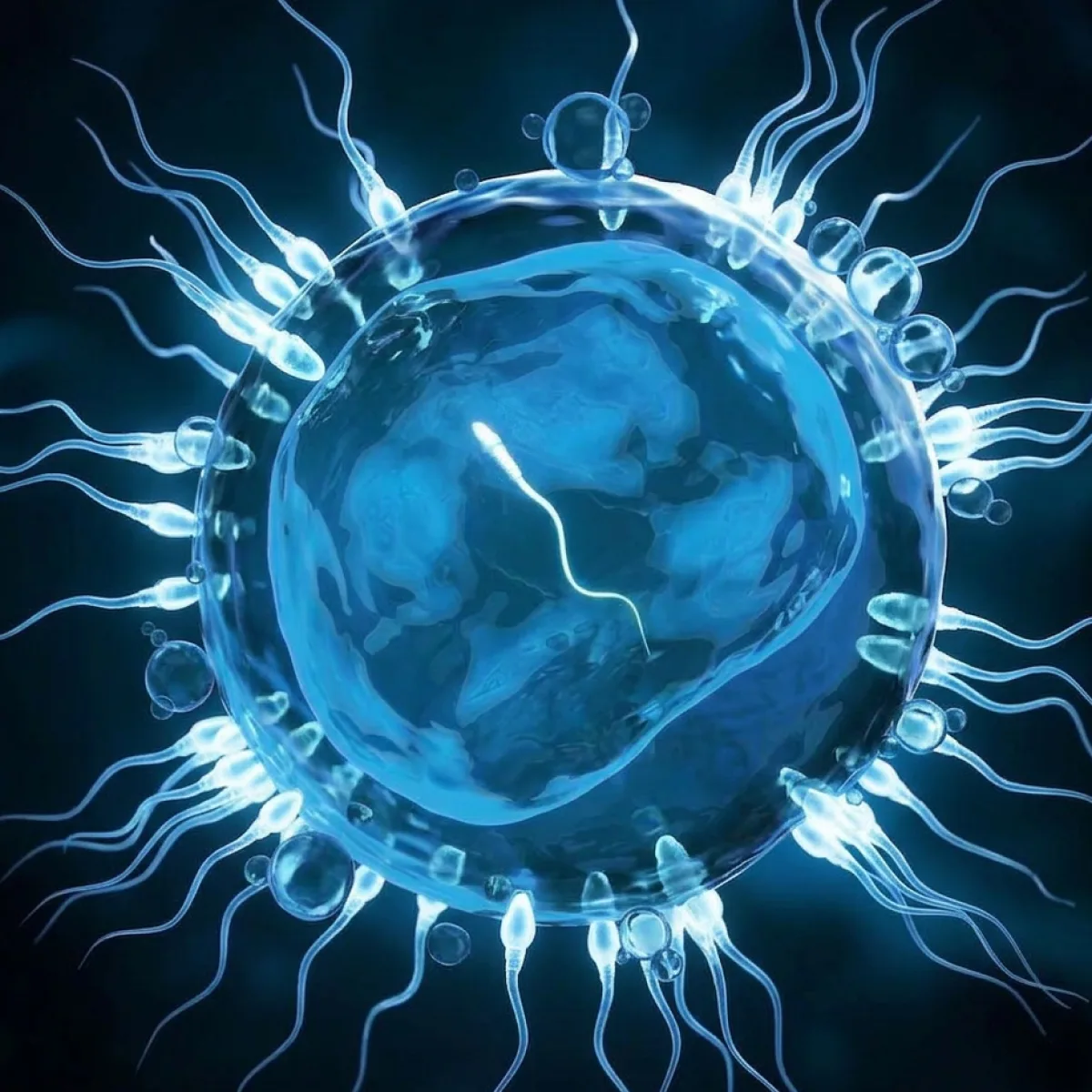
UF researchers have produced Florida’s first equine IVF embryo — and the most surprising detail may be what came next: frozen semen outperformed fresh and chilled in their process. In this feature, we break down what the breakthrough means for mare welfare and breeding flexibility, why equine IVF has been so difficult to perfect, and how far behind the horse industry is compared to cattle, where IVF became commercially established decades ago.
USA & Canada’s 2025 NSBA Highpoints tell a clear story: the right bloodlines and breeding programs consistently produce the horses that rise to the top. This breakdown highlights the leading sires, dams, damsires, and breeders in Pleasure and Hunter Under Saddle—plus the point-earning progeny that shaped the final standings.
In a fast-moving performance horse industry, Jenna Seppa stands out for her integrity and empathy. From late-night calls to careful vetting, she prioritizes lasting matches over quick transactions. This is the story of a broker who leads with responsibility—and heart.
The 2025 APHA season delivered standout performances across every division. Meet the year-end champions, their horses, pedigrees and partnerships that defined an unforgettable show season.
When a great horse is lost, their legacy shouldn’t be forced into a two-year sprint. AQHA’s Two-Year Rule was meant to protect genetic diversity, but current breeding-report data suggests deceased stallions aren’t the problem—sire concentration is. This open, legacy-focused call to action explains why REG111.6 and REG112.9 should be deleted, and what AQHA can do instead to give breeders real data, not restrictions.
The 817 Horse Sales January 2026 Performance Horse Sale is live, featuring a curated lineup of prospects and proven horses offered through an online bidding format. Here’s a quick guide to the sale, key dates, and what to look for as you review the catalogue and get ready to bid.